Description
Do you need an appliance, or do you need the microwave to stop boiling over?
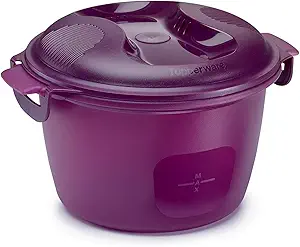
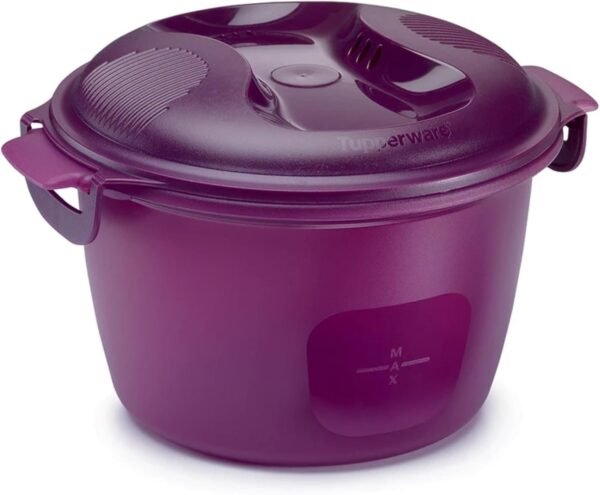
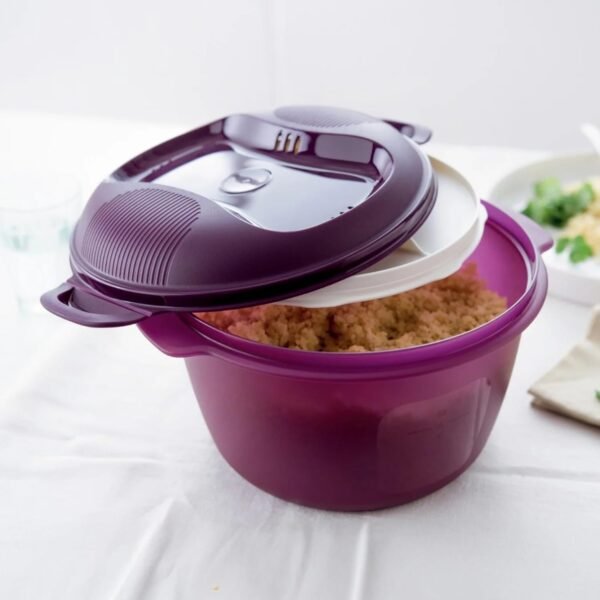
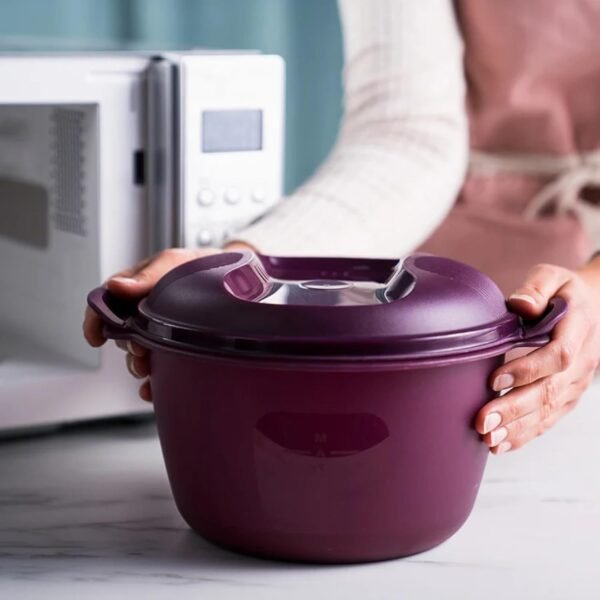
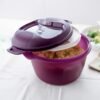
That distinction is the whole decision here. This is not an electric rice cooker. It is a plastic vessel with a double walled lid that goes into a microwave you already own. There is no element, no thermostat, no keep warm function and no timer. What it does is contain the foam that rice throws off while cooking, which is the single reason people give up on making rice in a microwave.
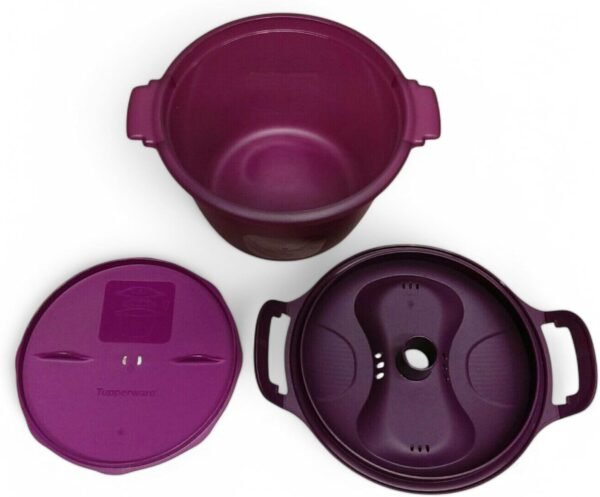
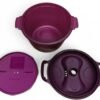
Tupperware describes the mechanism plainly: the double cover collects the foam, channels it into a recessed area of the lid, and drains it back into the base. That is a genuinely clever piece of design and it addresses a real problem. If your objection to microwave rice is the mess rather than the result, this fixes the mess.
What you are giving up compared with an electric cooker is everything automatic. Tupperware states that you should keep rice and water within the marked guidelines and use the correct power levels and cooking times for your microwave. In other words, you are the controller. Different microwaves have different real power output, so the first two or three attempts will involve adjusting. An electric rice cooker senses when the water is gone and switches itself off. This does not.
The capacity is stated three different ways, and it matters
This is the most consequential problem with the listing and it needs stating first rather than buried. The product title says 3 liters or 12 cups. The specification table says the capacity is 2.2 liters. The product description says the cooker makes up to 4 cups of cooked rice. Those are three different numbers describing the same vessel, and they are not close to each other.
There is a plausible reading that reconciles some of it. Dry rice roughly triples in volume when cooked, and cookers are often rated by total vessel volume rather than by yield. A vessel with around 2 to 3 liters of total volume producing about 4 cups of cooked rice would be internally consistent, with the 12 cup figure describing something else entirely, possibly total capacity in cups rather than a rice yield. But that is inference. The listing does not settle it, and if you need to feed a specific number of people you should confirm the cooked yield with Tupperware before ordering rather than assume the largest number is the useful one.
The handles, and the one warning in the bullets
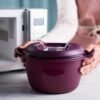
The cover handles fold down and lock onto the base, which gives a solid grip for lifting the cooker out of the microwave. On a vessel full of boiling water and steam that is not a convenience feature, it is the safety feature, and it is the reason this design works better than an improvised bowl and plate.
One line in the feature bullets deserves attention because it contradicts the general impression the listing gives. It reads plainly: the cover is not liquid tight. Everything else in the copy emphasizes mess free cooking and a clean microwave, so it is easy to read past. What it means is that the cooker is for cooking and reheating, not for carrying liquid or storing it on its side. Do not treat it as a sealed container.
Living with it: heat, cleaning, and fields that do not fit the product
Cleaning is stated as dishwasher safe, and at 10.8 ounces the whole thing lifts out with one hand once cool. The base and lid are plastic, listed as non stick in the special features field, which on a plastic vessel means a smooth surface rather than an applied coating.
Two practical points about microwave cooking in plastic apply regardless of brand. Rice at the end of cooking is well above boiling in places, and plastic that has been heated repeatedly to those temperatures is under more stress than plastic used cold. Follow the manufacturer’s stated power levels rather than running the microwave flat out, and do not use the vessel for anything oily at high power, since fat reaches much higher temperatures than water and is what actually damages microwave safe plastics. Tupperware states the item is microwave reheatable, and reheating leftovers directly in it is part of the intended use.
Two specification fields do not describe this product. The power source field reads Electric. There is nothing electrical about this item at all. And the manufacture year reads 2024 while the same listing states the product first became available in June 2016, which are eight years apart. Neither changes what the product is, but together they show the specification data on this record is unreliable, which matters more than usual given the capacity disagreement above.
The listing shows 172 ratings at an average of 4.3, ranking 241st in the rice cooker category. Note that it appears in that category alongside powered appliances despite having no power source of its own, so comparisons on rank are not really like for like.
When an electric cooker is the better answer
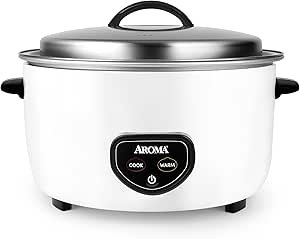
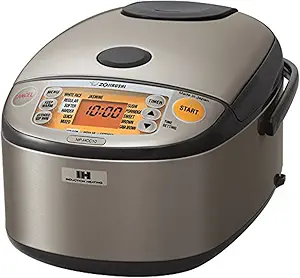
If rice is a several times a week staple, an electric cooker that senses doneness and holds warm removes the entire adjustment problem. The Aroma ARC-914D is the straightforward version of that, and the Zojirushi NS-ZCC10 is the fuzzy logic machine at the other end, which adjusts its own cooking curve for different rice types.
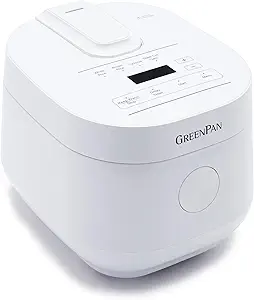
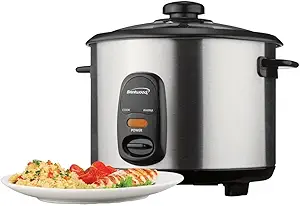
If the appeal is a small, cheap and simple appliance, the Brentwood TS-10 is the entry point, and the GreenPan rice cooker is the option for anyone avoiding conventional non stick. The rest sit under rice cookers. If the microwave itself is the weak link, that is a different purchase and belongs in the countertop microwave category.
Who should buy it and who should not
Buy it if you already cook rice in the microwave and want the boiling over to stop, or if counter and cupboard space genuinely cannot take another appliance. A double lid that drains foam back into the base, locking handles for lifting it out hot, and 10.8 ounces of dishwasher safe plastic is a sensible solution to a narrow problem.
Skip it if you want the cooker to decide when the rice is done, if you cook rice often enough that the trial and error would irritate, or if you need a specific yield. Before ordering, confirm the actual cooked capacity with Tupperware, because the title, the specification table and the description give three different figures, and note that the lid is stated as not liquid tight.