Description
What kind of coffee are you actually trying to make?
This is the decision that matters, and it needs settling before anything else, because the word espresso is doing a lot of work in this listing. Imusa describes a 3 or 6 cup electric espresso maker with a cast aluminum base, and lists among its uses traditional espresso, Cuban coffee, Italian coffee and Moka. That last word is the clue. A moka brewer forces water up through a bed of coffee using steam pressure from a sealed lower chamber, producing a strong, concentrated, slightly bitter cup. A pump espresso machine forces water through at around nine bars, which is roughly ten times the pressure, and that is what produces the crema and the texture people picture when they hear the word espresso.
These are different drinks made by different mechanisms. If what you want is a cortadito, a Cuban style cafecito, or the strong stovetop coffee that Italian households make every morning, this is exactly the right tool and it makes it well. If you want a shot with crema for a flat white, this is not that machine, and no amount of technique will make it one. Establishing which of those you want saves both a purchase and a disappointment.
The second question is volume. The listing quotes cups of 1.5 ounces each, so six cups is nine ounces in total and three cups is four and a half. That is two moka sized servings, or one long drink stretched with hot water or milk. This is a brewer for one or two people, and it does not scale.
What the listing publishes, and how little that is
This is the thinnest data record on the site, and saying so is more useful than filling the space with inference. The specifications field is entirely empty. There are no product dimensions, no weight, no wattage, no voltage, no model number, no customer rating and no availability date. The attribute table that normally renders the specification block on this page has nothing in it at all. Everything below comes from the six manufacturer feature bullets, which are the only source available.
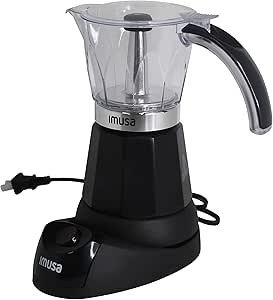
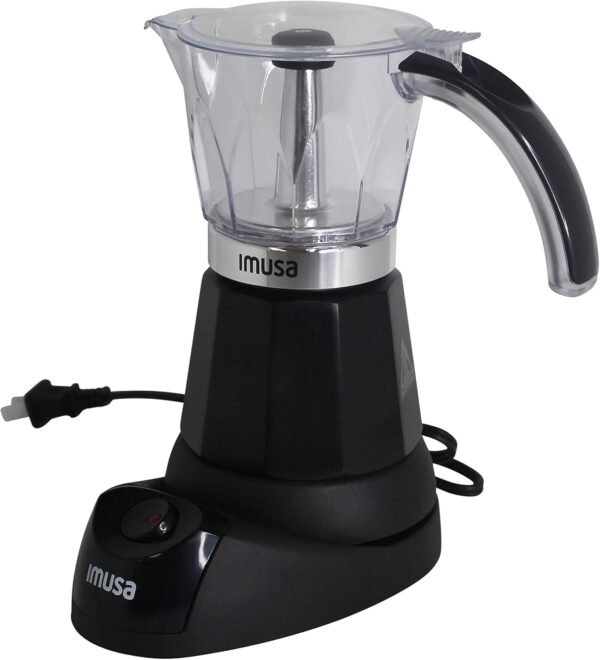
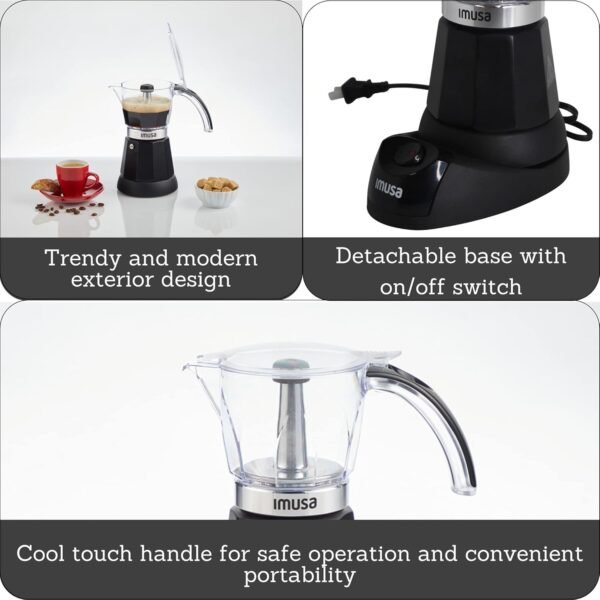
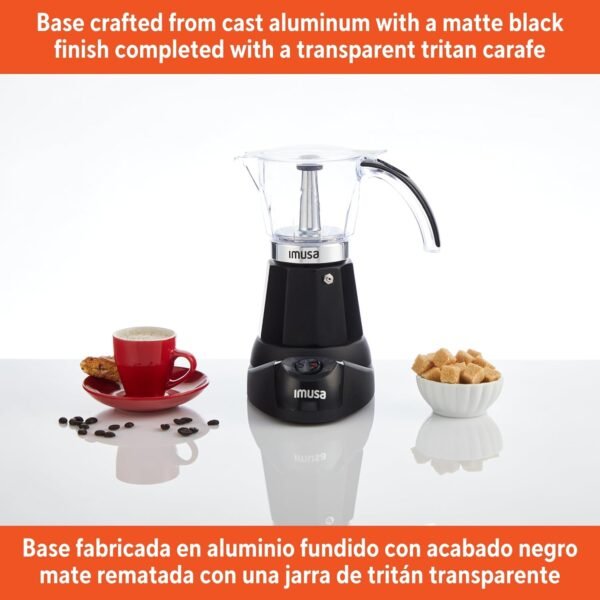
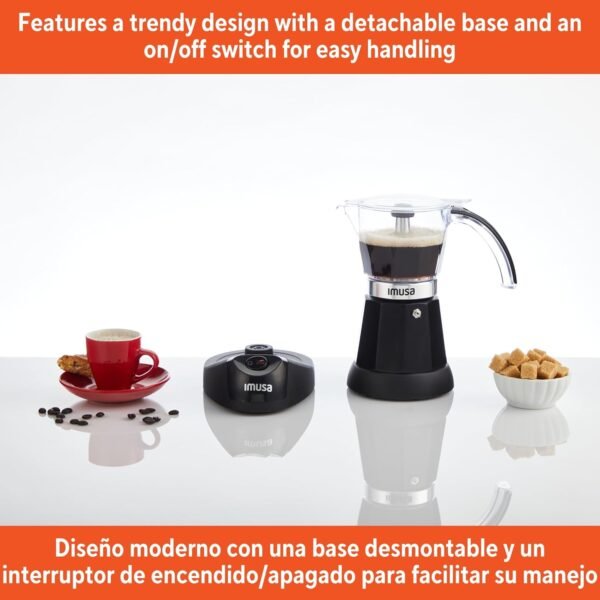
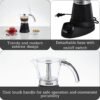
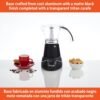
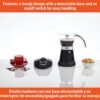
From those, Imusa states a cast aluminum base, a brown tinted carafe, a black exterior and base, a detachable base with an on and off switch, a visual brewing indicator so you can watch the progress, and a cool touch handle. The unit is described as packaged in a gift box.
A chemical disclosure worth reading, and a broken link
The last feature bullet is not a selling point. It is a materials disclosure, stating that the product contains aluminum along with iron, chromium and chromium compounds, nickel and nickel compounds, manganese and manganese compounds, copper, magnesium, zinc, carbon, phosphorus, sulfur, titanium and tin. Disclosures of this kind exist to satisfy state chemical labeling requirements and they are common on cast aluminum cookware. They are worth reading rather than skipping if anyone in the household avoids particular metals in cooking equipment.
The bullet then directs readers to a manufacturer page for more information, and the address it gives is missing a character at the start, so as printed it does not resolve. If the disclosure matters to your decision, go to the Imusa site directly rather than following the address in the listing.
Living with a moka style electric brewer
The routine is short and it rewards consistency. Water goes in the lower chamber, ground coffee in the basket without tamping it down, and the top screws on. The electric base then heats the lower chamber until pressure pushes water up through the grounds and into the carafe. The visual brewing indicator tells you when the flow has finished, and this is the moment that matters: leaving the base on after the brew has finished is what scorches the last of the coffee and gives moka its reputation for bitterness. Switch it off as the flow stops.
Grind size is the other variable, and it is the one most new moka drinkers get wrong. A moka basket wants a grind finer than drip coffee and coarser than pump espresso. Too fine and the pressure stalls or the coffee scorches, too coarse and the cup comes out thin. The listing offers no guidance on this, so expect a week of small adjustments before the result settles.
The detachable base is the practical difference from a stovetop moka pot. It means the brewing chamber can be carried to the table and washed separately, and it means the brewer works anywhere there is an outlet rather than needing a hob. That is genuinely useful in an office or a dorm room, and the listing highlights travel and office use.
Cleaning is where aluminum brewers need a particular habit. Rinse with hot water and no detergent, and dry the parts fully before reassembly. Aluminum reacts to soap in a way that carries into the taste, and standing water pits it. The gasket between the chambers is the wearing part on any moka brewer, and it hardens over a year or two of use, which is when the pot starts leaking steam at the seam. Confirm before buying whether replacement gaskets and filter plates are available for this model, because a brewer you cannot re-gasket is a brewer with a fixed lifespan.
What would send you to a different machine
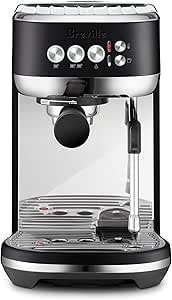
If you want genuine pressure brewed espresso with crema, buy a pump machine and accept the price step. The Breville Bambino Plus is the compact end of that category, and the DeLonghi Dedica Arte covers similar ground in a narrower body with a steam wand for milk. The coffee machines category shows where those sit relative to a moka brewer.
If what appeals is the strength and simplicity rather than the espresso label, a French press gives you a full bodied cup with no electricity and no gasket to replace; the ESPRO P7 is the double filtered version of that idea and the French presses category covers the rest. And if the appeal is a pot of strong coffee for several people rather than two small cups, a percolator such as the Cuisinart PRC-12N scales to twelve cups where this brewer stops at six.
Who this suits, and what to confirm
It suits a household that already drinks moka style coffee, or wants to, and values a compact electric brewer with a detachable base over a stovetop pot. For Cuban and Italian style coffee it is the correct format, and the switch and indicator make it easier to get right than a pot on a burner.
Before ordering, confirm the things the listing does not state: the wattage and voltage, the physical dimensions and weight, whether replacement gaskets and filters are sold, and the warranty term. Also read the metals disclosure in the final bullet, since it is the only compliance information on the page and the address it points to is printed incorrectly.