


Description
Is there a 24 inch gap under your counter, and is it already wired?
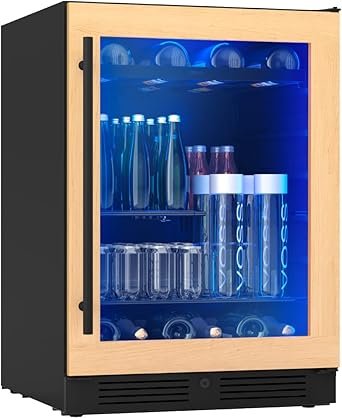
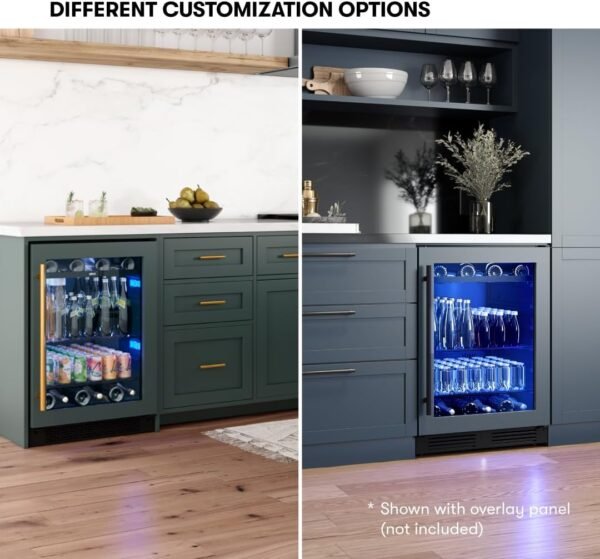
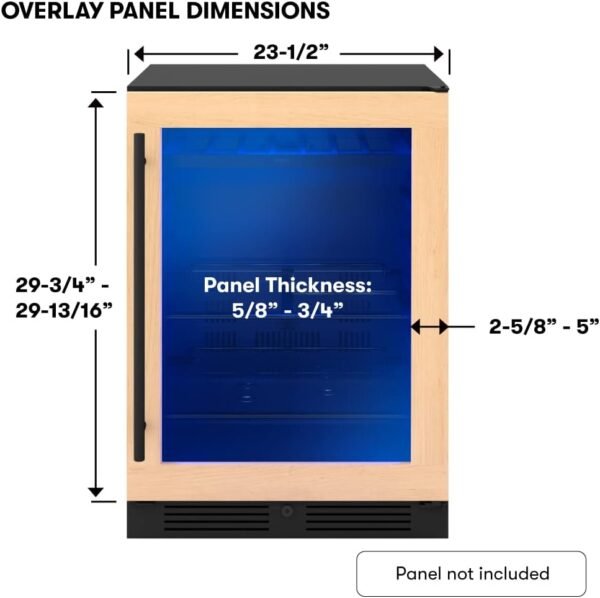
This is a cabinetry decision before it is an appliance decision. The Zephyr Presrv PRB24C01CPG is a built in undercounter unit, 23.88 inches wide, 25.5 inches deep and 33.88 inches tall, weighing 108 pounds. It goes into a run of base cabinets in place of a 24 inch cabinet, and it needs a receptacle behind it and enough clearance for the compressor to shed heat. If you do not already have that opening, the cost of this appliance is the smaller half of the project.
The second decision is what you are storing. Zephyr rates it at 7 bottles and 108 twelve ounce cans, which tells you what this unit is really for. It is a beverage refrigerator with some wine capability, not a wine cellar with a shelf for soda. Seven bottles is a working supply for a household that opens wine occasionally, not a collection. If you are storing dozens of bottles, this is the wrong appliance and the shelf configuration will frustrate you within a month.
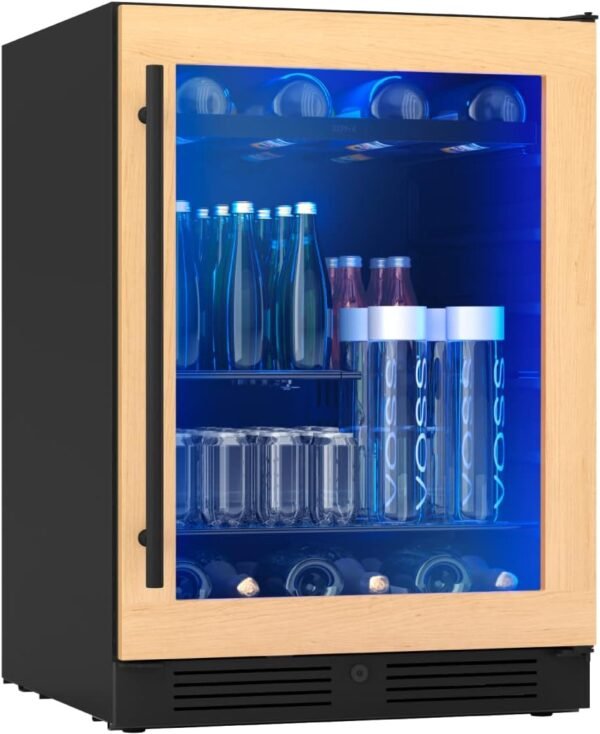
The third question is the door. The unit is sold panel ready, which means the front is designed to accept a custom cabinet panel so the appliance disappears into the run. Zephyr states plainly that the wood panels are not included and that the handle is sold separately. Both are real line items and both need to be ordered alongside, not afterwards, if you want the finished look the product photos show.
Single zone is the specification that settles what you can keep in it
The most consequential detail in this listing is one word: single zone. Wine and canned drinks want different temperatures. Red wine is generally held in the mid fifties Fahrenheit, white wine cooler, and cans and bottles of beer or soda are usually wanted closer to the high thirties. A single zone cooler holds one temperature throughout the cabinet, which means you are choosing a compromise setting rather than storing both properly at once.
That is not a fault, it is a design decision, and for most households it is the right one, because in practice the unit gets set for drinks and the wine sits at drink temperature. But it does mean the marketing framing of a beverage and wine fridge is doing some work. If both matter to you equally, a dual zone unit is the product category to look at instead.
What the vibration and cooling systems are actually for
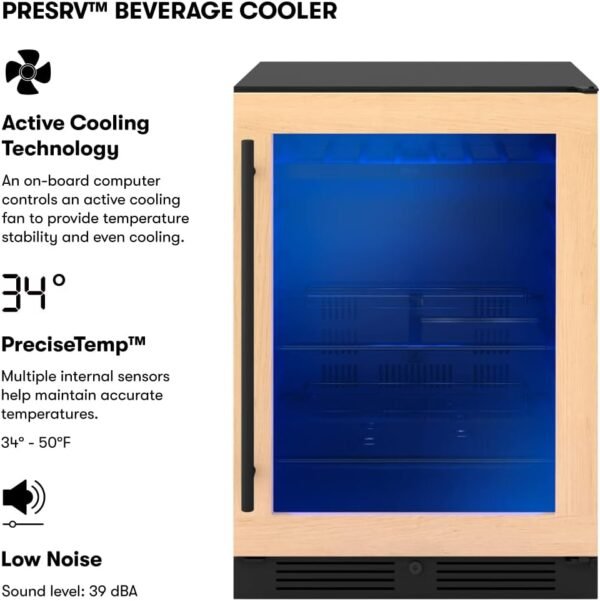
Zephyr calls out three features that all serve the same purpose. PreciseTemp uses multiple internal sensors to hold temperature accurately. Active Cooling Technology puts an on board computer in charge of a cooling fan so that air moves and the cabinet stays even rather than stratifying warm at the top and cold at the bottom. The vibration dampening system reduces the noise and shake that a compressor transmits into the cabinet.
Vibration is the one people underestimate. Constant low frequency vibration is understood to disturb sediment and accelerate aging in bottled wine, which is why purpose built wine storage bothers with dampening at all and why a standard kitchen refrigerator is a poor place to keep bottles for long. If wine storage is part of your reason for buying, that feature is the one doing the work. It also matters if the unit sits in a kitchen island near where people sit, since compressor noise in an open plan room is more noticeable than in a utility space.
Zephyr also offers three LED interior colors, described as Cloud White, Deep Blue and Amber. That is a styling feature rather than a performance one, though light does matter to wine over long periods, and LED lighting runs cool and can be switched off.
Living with it: installation, heat, power and three fields that contradict the product
Electrically the listing is straightforward: 115 volts and 180 watts. That is a standard household circuit, and 180 watts is the compressor draw rather than a continuous figure, since the unit cycles. Defrost is automatic, which removes the manual chore that older beverage coolers required.
Then the specification table contradicts the product it describes. The installation type field reads “Countertop”. This is a 108 pound built in undercounter appliance and its own product title says under counter and built in cooler. Nobody should read that field and plan to stand this on a worktop. Similarly, the capacity field reads “12 ounces”, which is the size of the cans it is rated for rather than the capacity of the cabinet. And the door material type field says stainless steel while the color field says panel ready and the title says wood panels are not included, which are two different door treatments. Those three fields are import errors rather than product facts, and the manufacturer text is the part to trust.
One more oddity worth naming: the listing places the unit at 261,156th in industrial and scientific rather than in appliances, which is an unusual department for a residential beverage cooler and is another sign that the automated data on this page is unreliable.
Practically, the three wood shelves are the thing to look at before ordering, because shelf geometry is what determines whether your bottles and your cans both fit. Seven bottles across three shelves in a 24 inch cabinet means the bottle capacity comes at the cost of can space and the two configurations are not simultaneous.
When a different appliance is the right answer
If what you actually need is general cold storage rather than beverage service, a compact refrigerator does more for the same footprint. The Galanz convertible refrigerator freezer review covers a unit that can be switched between roles, which is a more flexible answer for a small kitchen, a basement bar or a garage.
If the appliance is going into a kitchen where the main refrigerator is also being replaced, it is worth sizing both together. The GE GLE12HSPSS bottom freezer review covers a compact main unit and the GE GNE27JYMFS French door review covers a full size one. And since this is a built in appliance going into a cabinet run, the other unit competing for that same 24 inch opening is usually a dishwasher, which the Bosch SHE53B75UC review covers.
The wider ranges sit in the refrigerators category and the beverage refrigerators category.
Who it suits and who should look at something else
It suits a kitchen or bar area being built or renovated, where a 24 inch opening exists or can be made, where the finish is meant to disappear into the cabinetry, and where the contents are mostly cans with a few bottles. The vibration dampening and active cooling are genuine engineering rather than badges, and panel ready construction is the reason to choose this over a freestanding cooler.
It does not suit anyone who wants a freestanding unit they can move, anyone storing a wine collection that needs its own temperature, or anyone who has not budgeted for the panel and the handle on top of the appliance. Be aware too that the listing carries only 6 ratings averaging 3.4 stars, which is far too small a sample to tell you anything about reliability in either direction.