
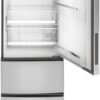

Description
Is your problem the width of the opening or the size of the family?
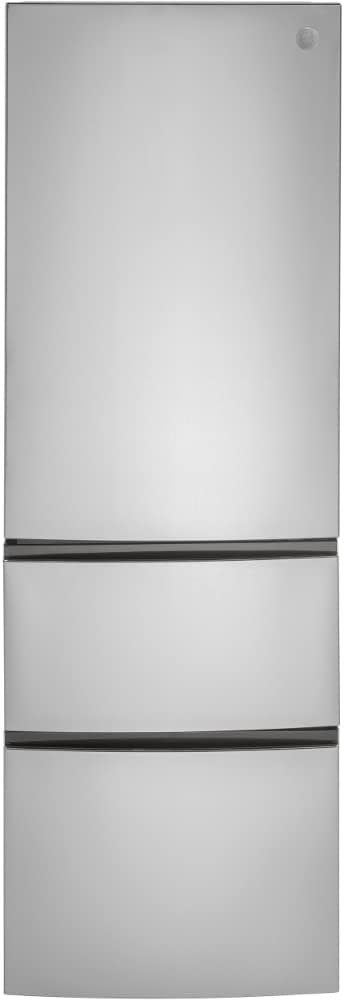
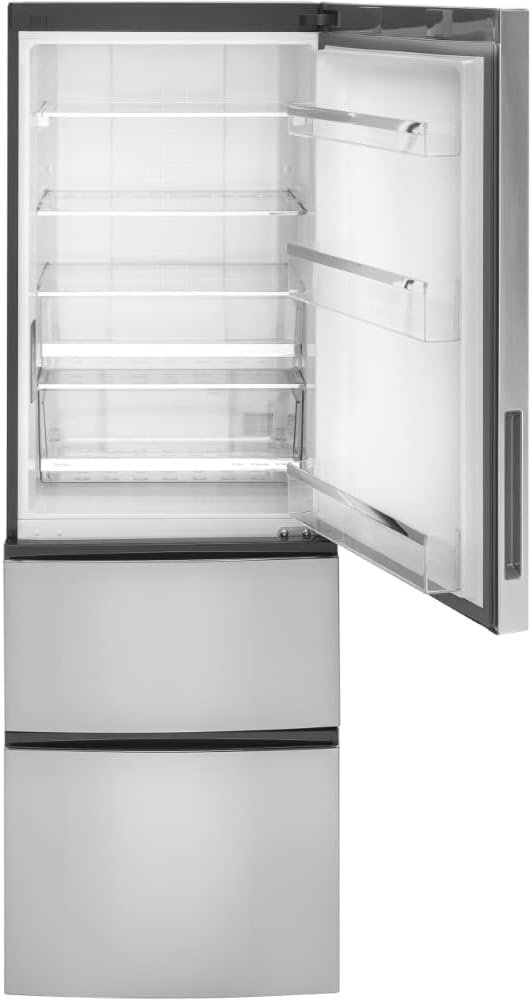
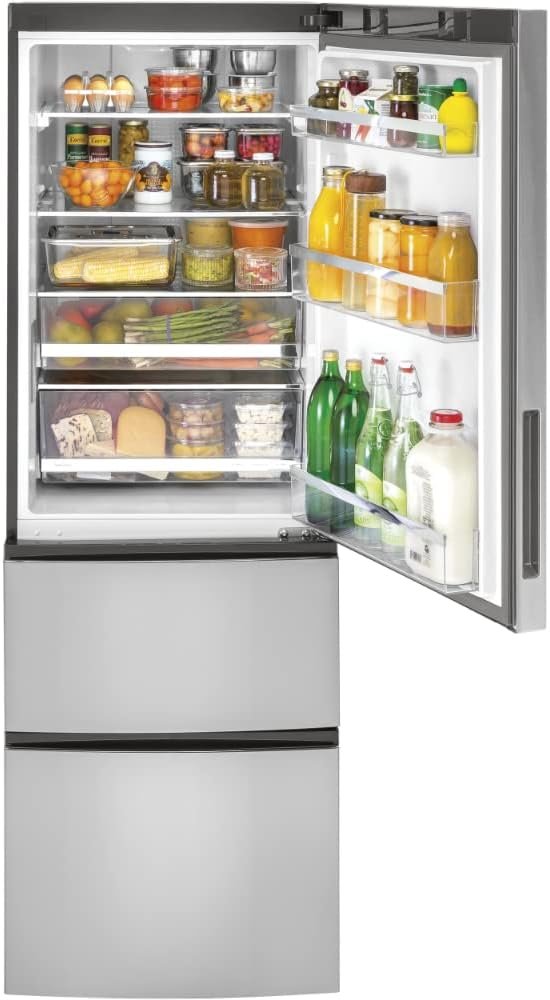
Refrigerator shopping in an older kitchen usually starts with a tape measure and a bad surprise. The cabinet run leaves a 24 inch gap, or an apartment galley has a 24 inch alcove, and almost every family sized refrigerator on the market is 33 or 36 inches wide. That is the situation the GE GLE12HSPSS is built for. It is 24 inches wide and 70 inches tall, which is full height in a narrow slot.
That shape choice tells you what you are giving up. GE lists 11.9 cubic feet of total capacity, which is roughly half of what a standard French door refrigerator holds. For one or two people, or for a second refrigerator in a basement or an office kitchen, that is workable. For a family doing a weekly shop, it is not, and no amount of shelf arrangement fixes the arithmetic.
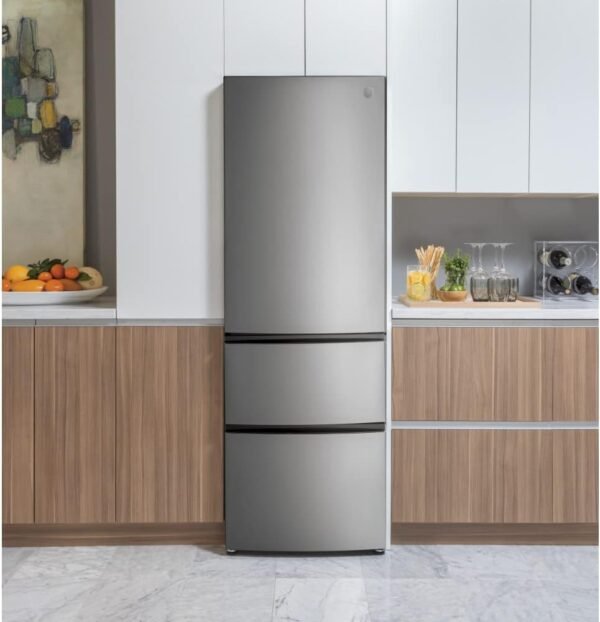
The listing also describes it as counter depth, which is a second deliberate constraint. Counter depth means the box lines up roughly with the front of standard cabinets instead of standing proud of them. It looks integrated and it costs you interior depth, so the shelves are shallower than a standard refrigerator of the same width. If a flush line matters visually, that is the trade you are making.
The specification that settles it: 11.9 cubic feet in a 24 inch box
Capacity is the whole decision here and it is worth converting to something concrete. Eleven point nine cubic feet across a fridge compartment and a bottom freezer means a weekly shop for one or two people, a shelf that will not take a large sheet pan, and a freezer sized for a few frozen meals and an ice tray rather than for bulk buying.
The bottom freezer layout is the right choice for that capacity. Everything you reach for daily sits at eye and hand height, and the freezer, which you open less often, is the part you bend for. In a narrow cabinet that ergonomic argument is stronger than in a wide one, because the shelves are shallower and you are reaching less far back.
The features GE actually lists
The description gives a short and specific list: a temperature controlled drawer, LED lighting, a bottle storage rack, six shelves, two doors, automatic defrost, a stainless steel finish and Energy Star certification. The temperature controlled drawer is the one worth planning around, because a drawer you can set colder than the main cabinet is where meat and fish belong, and in a small refrigerator dedicating a drawer to that is a real allocation of space.
One phrase needs unpacking because it misleads people every year. The listing says icemaker ready. That does not mean an icemaker is included. It means the cabinet is built to accept one and that a water supply can be run to it. If automatic ice is part of why you are buying, confirm with the seller whether the icemaker kit is in the box and whether a plumbed water line is available where the refrigerator will stand.
Living with a narrow full height refrigerator
Installation is where the specification contradicts itself and you should resolve it before ordering. The product title describes a freestanding refrigerator. The specification table says Installation Type: Built-In. Those are different appliances with different clearance requirements: built in units are designed to be enclosed with specific ventilation paths, while freestanding units need air gaps at the back and top. The description calling it counter depth points toward a freestanding unit styled to sit flush. Get the installation clearances from GE’s own specification sheet rather than from the retail listing, because getting airflow wrong shortens compressor life.
The Special Features field says Compact, which is misleading in a different way. At 70 inches tall this is a full height appliance. It is narrow, not compact, and it will not fit under a counter. Measure the door swing as well as the box: a 24 inch door still needs room to open past 90 degrees for the drawers to clear, and in a galley kitchen the wall or island opposite is often the limit.
Running cost is one of the genuine advantages here. Energy Star certification on a small cabinet means low consumption, and a smaller box costs less to run than a large one simply because there is less air to keep cold. Automatic defrost means no manual defrosting routine, at the usual cost of slightly more energy than a manual defrost unit. The maintenance list is short: clean the condenser area, keep the door seal clean, and replace the water filter if an icemaker is fitted.
Noise is worth thinking about in the kind of space this refrigerator is designed for. Narrow kitchens are usually attached to studio apartments, open plan rooms or offices, which means the compressor is running in the same space where people sit. The listing publishes no decibel figure, and it is not a specification retail pages usually carry, so if the unit is going somewhere quiet, ask for the sound rating from GE’s specification sheet.
The one thing this listing cannot give you is an ownership signal. It shows just two ratings at 3.8 stars, with a rank of 1,140th in refrigerators and an availability date of August 2021. Two reviews is not data. The feature bullets are empty as well. If reliability history matters to you, look for GE’s own documentation and independent service records rather than relying on this page.
What would send you elsewhere
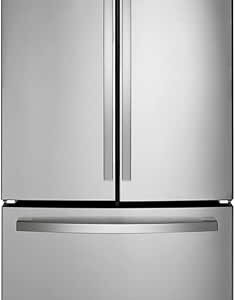
If the family is larger than the box, the answer is a wider cabinet rather than a cleverer one. The GE GNE27JYMFS French door is the same brand at 36 inches wide and 27 cubic feet, which is the standard shape of a family refrigerator. The refrigerator category covers the sizes in between.
If this is a secondary unit rather than the main one, a smaller box may serve better and cost less to run. The Galanz GLF11US2A16 sits in the compact refrigerator category, and if the goal is chilled drinks specifically, the Zephyr PRB24C01CPG beverage refrigerator is purpose built for that in the same 24 inch width.
If you are fitting out a narrow kitchen more broadly, the same width constraint applies to everything else in the run. The Bosch SHE53B75UC dishwasher is the standard 24 inch partner appliance for a kitchen built to this dimension.
Who it fits and who should skip it
Buy it if you have a 24 inch opening and need full height storage in it, if you cook for one or two, or if a counter depth line matters to how the kitchen looks.
Skip it if you shop weekly for a family, if you need a large freezer, or if you were expecting an icemaker in the box. Before ordering, get the installation clearances from GE directly, because the listing describes it as both freestanding and built in.